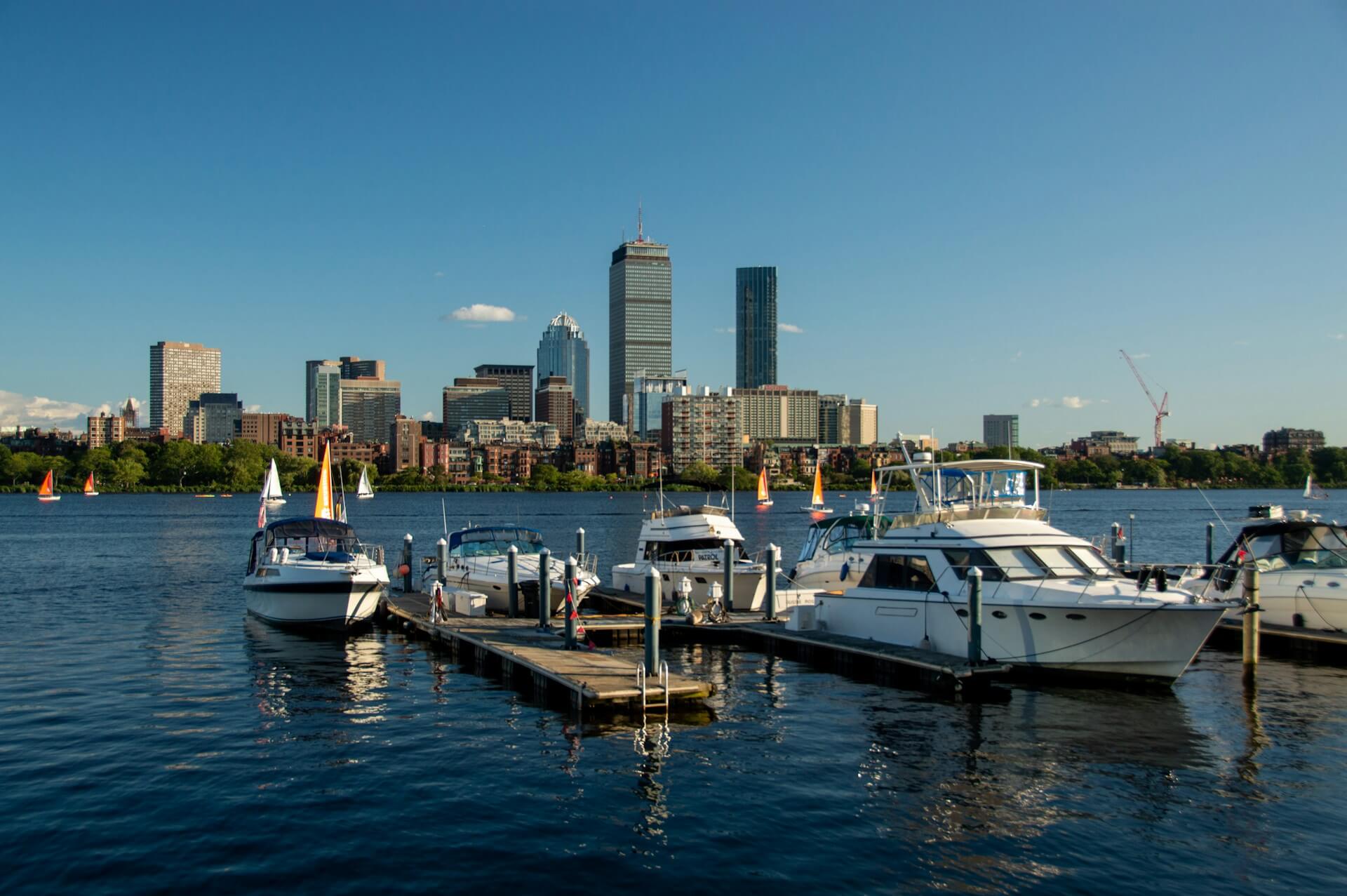

Picking a boat online is not easy for most guests. They see photos, a price and a few lines of text, then they have to imagine everything else.
They are asking themselves:
- Will this boat actually feel as nice as the pictures
- Is my family going to be safe
- How much will this really cost in the end
- What happens if the weather changes
If your listing and your messages answer those questions clearly, people relax. Relaxed people book faster, ask fewer last minute questions and leave better reviews.
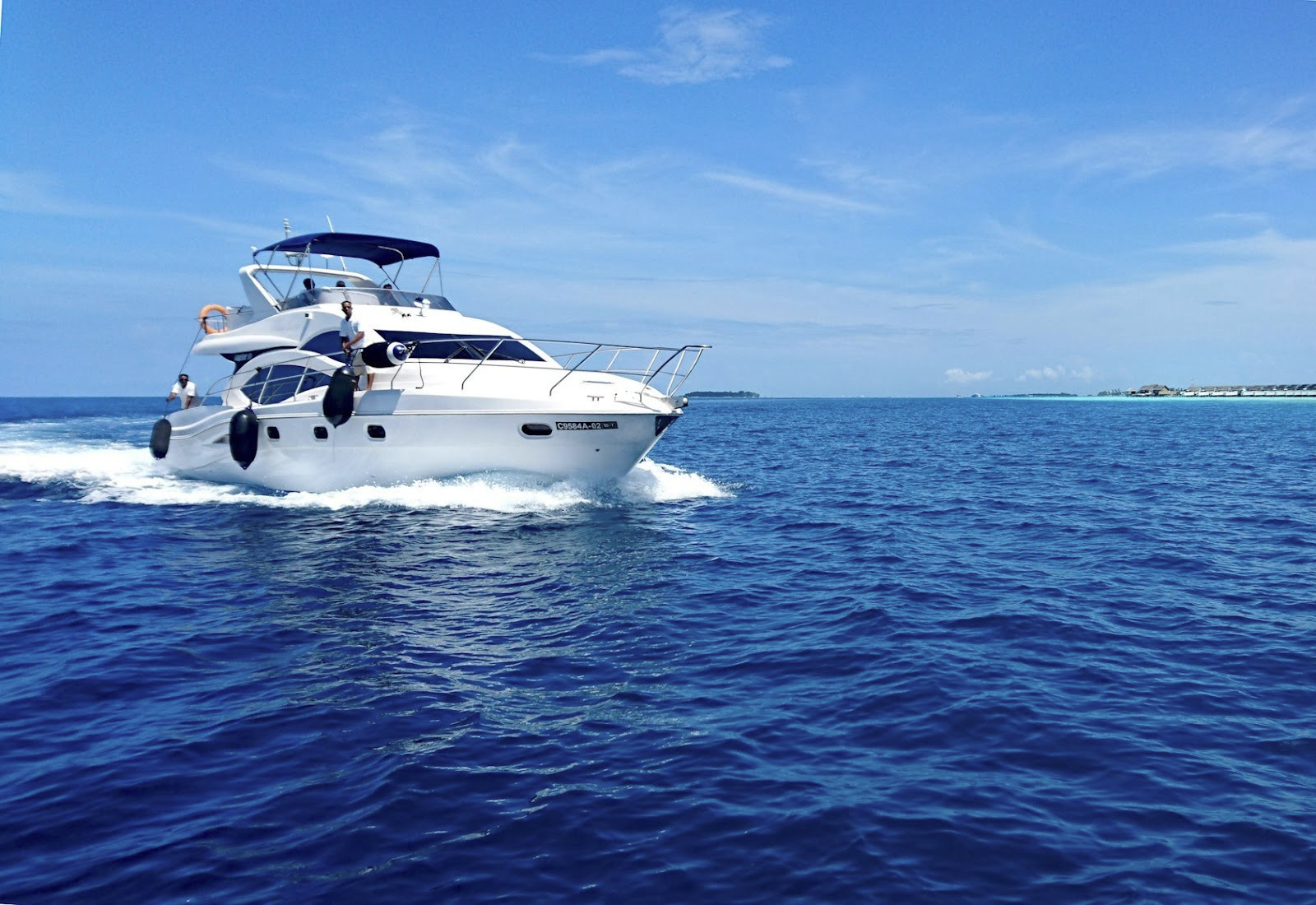
Why Clear Information Matters
For many renters, booking a boat is a big deal. It might be the highlight of their holiday or the main event for a birthday, proposal or family reunion. That means they are excited and a little nervous at the same time.
Clear information does three important things.
First, it builds trust. When a guest sees that you explain things like safety, costs and the schedule in detail, they feel they are dealing with a pro, not a random person on the internet.
Second, it saves you time. Good listings and good pre-trip messages reduce endless back-and-forth questions such as “Where do we meet?” or “Is fuel included?”. You answer once in a clear way, and most guests will find it for themselves.
Third, it protects your reviews. Many bad reviews on boat rental platforms are not about the boat itself. They are about surprises. Extra fees that were not clear. Rules guests did not know about. Routes or time limits that were never explained. When expectations are set early, there are far fewer surprises.
Think of your listing and your pre-trip messages as a friendly briefing that happens long before anyone steps on the dock.
The Big Questions Guests Have Before They Book
You know your boat and your waters inside out. Your guests do not. They usually want answers to the same core questions.
1. Is This Boat Right For My Group
Guests want to picture themselves on board. Help them answer three things.
How many people can come, and still be comfortable. State both the legal maximum and your own recommended number for comfort. For example: “The boat is licensed for 10 but I recommend 8 adults for the best experience”.
What is the layout really like. Explain where people will spend their time. Is there a shaded area, a front deck for sunbathing, an indoor cabin, a bathroom. Mention seating types and whether they are suitable for kids, older guests or anyone with mobility issues.
What kind of trip this boat is best for. Some boats are perfect for relaxing cruises, others for water sports, others for fishing. Say so clearly. This stops a party group booking a quiet sailboat and then being disappointed.
2. What Is Included In The Price
Money questions can feel awkward, but they are the ones guests care about most. Spell out exactly what is included.
- Is the captain included or do they need to hire one separately
- Does the price include fuel for your typical route
- Are cleaning, docking fees and basic taxes included
- Are ice, water, soft drinks or snacks included
If something is not included but common, such as fuel for longer trips or catering, explain how that works and give rough amounts. Guests would much rather read “Extra fuel for longer routes is usually between 50 and 100” than find out at the dock.
3. What Will The Day Actually Look Like
Many guests have never been on a private boat before. They do not know what happens between arrival and goodbye. Make the experience feel real and simple.
Describe the main steps:
- Where to meet and what the dock looks like
- How long it will take to leave the marina
- The main areas you usually visit
- Typical things you do on board such as swimming, sightseeing or stopping at a restaurant
The more you can paint a clear picture, the easier it is for them to say yes.
4. How Safe Is This Boat
Safety is often the unspoken fear. Guests may not ask, but they are thinking about it, especially if they have children or older family members.
Answer the basics in a calm, confident way.
- Confirm that life jackets are on board for all ages and that you can provide sizes for children
- Mention key safety equipment such as fire extinguishers, flares and a first aid kit
- Share a little about your captain experience or license if you are the skipper
You do not need to scare people with technical detail. A simple paragraph that says “Your safety is my priority, here is what I have in place” goes a long way.
5. What Should They Bring And What Can They Leave At Home
People hate overpacking and they hate forgetting things. Give them a clear pack list.
Explain what you provide, such as towels, cooler, ice, snorkel gear, Bluetooth speaker, phone charging. Then list what they should bring themselves, such as sunscreen, hats, swimwear, food and special drinks.
If there are things they must not bring, like red wine on a white deck or glass bottles, state that clearly and politely.
6. How Flexible Is The Trip
Guests want to know how much they can customise their day.
If your route is flexible, explain what is possible and what is not. For example, you might allow them to choose between a sandbar stop or a restaurant stop, but there may be distance limits.
Also explain how you handle weather. Tell them what happens if conditions are unsafe and how rescheduling or refunds work. Clarity here is very important for peace of mind.
What To Include In Your Listing
Your listing is often the first and only thing a guest reads before they send a message. Treat it like a mini version of your full briefing.
Title And Main Photo
Your title should describe the boat and the experience in one short line. For example:
“Spacious 40 ft Motor Yacht With Captain In Miami”
This tells them size, type and that a captain is included.
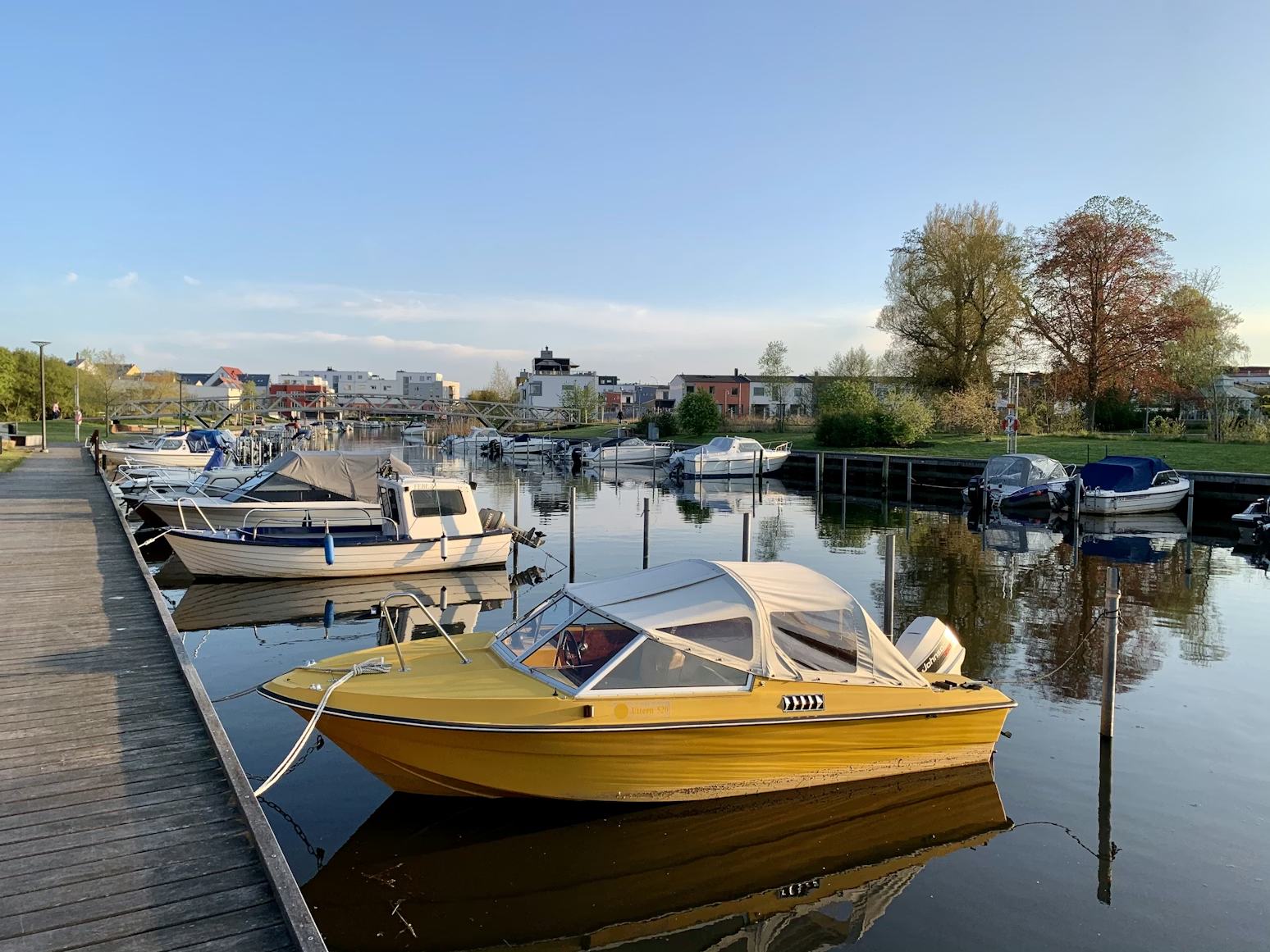
The main photo should show the full boat clearly in good light. Avoid dark, cluttered or blurry images. This is not the place for artsy angles. It is the place for clarity.
Description
Use your description to answer the big questions listed earlier. Write in short, friendly paragraphs rather than one big block of text.
A simple structure works well:
- One paragraph about the boat and what it feels like on board
- One paragraph about the typical trip and route
- One paragraph about what is included in the price
- One paragraph about safety and your experience
- One paragraph about what guests should bring and any important rules
By the end of the description, a guest should feel they know exactly what to expect.
Capacity And Comfort
Do not just list “Max 10 passengers”. Explain how that feels in real life. For example:
“Best for up to 8 adults or 6 adults and 4 children. There is plenty of seating and shade for everyone.”
If there are any tight spaces or areas not suitable for children, mention them.
Safety Section
You can add a short safety section near the bottom of your description. Keep the tone calm. For example:
“Your safety is my priority. The boat is equipped with life jackets for adults and children, a first aid kit, fire extinguishers and all required safety gear. Before we leave the dock I give a short safety briefing so everyone feels comfortable.”
This reassures guests without creating anxiety.
How To Share Safety Info Without Scaring People
Talking about safety can feel tricky. You want guests to know you are serious, but you do not want them to imagine disasters.
Here are some tips.
- Use positive language. Instead of “If something goes wrong” say “In the unlikely event of a problem, here is our plan”.
- Focus on preparation. Explain that you check the weather, the boat and the equipment before each trip. Mention simple procedures, like everyone knowing where life jackets are stored.
- Keep it short. One or two paragraphs is enough in the listing. You can share more details in person during the safety briefing at the dock.
- Remember that confidence is calming. When you sound organised and prepared, guests feel they are in good hands.
Answering Messages Like A Pro
Even with a great listing, guests will still send questions. How you answer can make or break the booking.
Respond quickly when you can. A friendly reply within an hour feels very different from silence for a day. If you need more time to check something, send a short note to say you will confirm soon.
Keep answers clear and polite. Avoid one word replies. Instead of “Yes” say “Yes, fuel for our standard 4 hour trip is included in the price”. This saves follow up questions.
You can prepare a few short templates for common questions such as meeting location, parking advice, what to bring and weather policies. You can then personalise each message a little so it still feels human.
Checklist: Information To Send Before Departure Day
Even if the listing has all the details, it is smart to send one clear message a day or two before the trip. Use it as a friendly reminder and final briefing.
Here is a simple checklist you can adapt:
- Exact meeting location with a map link if possible
- Recommended arrival time, for example “Please arrive 15 minutes before departure”
- Parking tips or public transport info
- Short reminder of what is included, such as water, ice and towels
- Short list of what to bring, such as sunscreen, snacks and any special drinks
- Brief note on weather and how you will contact them if conditions change
- Your phone number or in app contact details for the day
This one message can prevent most last minute confusion and sets a calm, professional tone.
Bringing It All Together
Guests do not expect you to be a copywriter. They just want to feel informed, safe and welcome.
If you focus on answering their real questions before they even ask them, your boat will stand out from every unclear listing on the platform. You will get smoother trips, fewer worries on the dock and more reviews that say things like “Everything was exactly as described” and “We felt very well taken care of”.
Start by updating your listing description to cover the big areas in this guide. Then create one friendly pre trip message using the checklist and send it to every booking.
Those two steps alone will put you ahead of most hosts and will make guests feel confident renting your boat again and again.